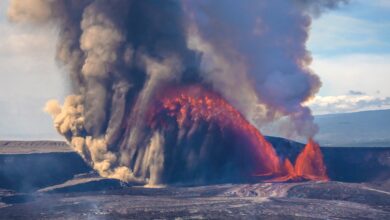
Mayon Volcano Eruption 2026: Over 116 Days of Continuous Activity and What the Data Reveals

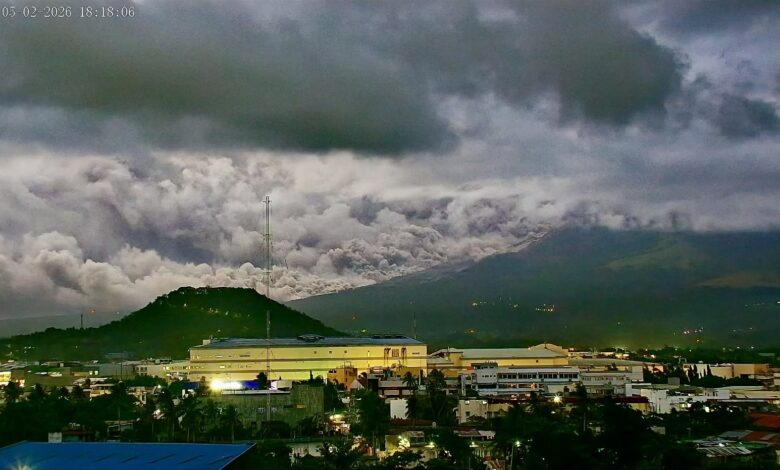
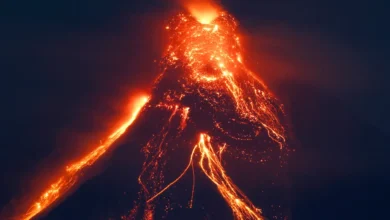
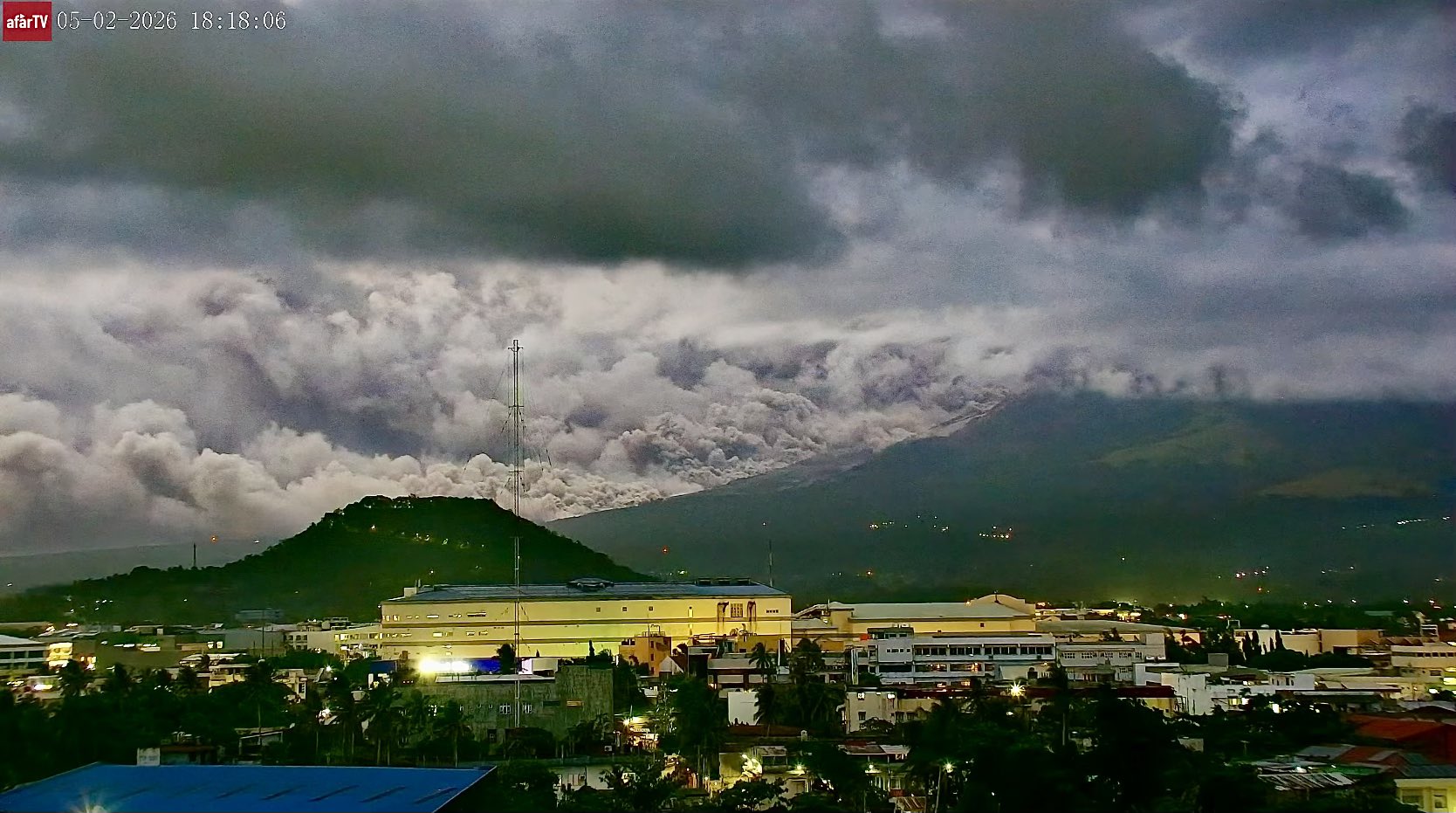
Mayon Volcano in the Philippines has now been in continuous eruption for over one hundred and sixteen days. As of May second, two thousand twenty-six, the Philippine Institute of Volcanology and Seismology (PHIVOLCS) maintains Alert Level Three on a zero-to-five scale, with three active lava flows advancing down the eastern and southeastern flanks of the volcano. The eruption shows no definitive end signal.
This eruption is significant not only for its duration but for the data it has generated. The combination of pre-eruption ground deformation spanning eighteen months, record sulfur dioxide emissions, and the sustained effusion rate has made Mayon one of the most comprehensively monitored active eruptions in recent Southeast Asian volcanic history.
Mayon: The Open-Vent Volcano
Mayon rises two thousand four hundred and sixty-two meters (eight thousand and seventy-seven feet) above the Albay Gulf on Luzon Island. It is widely regarded as the most symmetrical active stratovolcano on Earth, with upper slope gradients reaching seventy-five percent. This symmetry reflects four centuries of documented eruptions depositing material uniformly around a central conduit that has never fully sealed — the defining characteristic of what volcanologists classify as an open-vent system.
In an open-vent volcano, the magmatic pathway remains partially unobstructed on an essentially continuous basis. Rather than cycling through extended periods of repose punctuated by explosive events, the system bleeds pressure through near-constant low-to-moderate activity. This structural characteristic explains why Mayon has erupted more than fifty-two times in five hundred years and why the current eruption has sustained itself for over one hundred and sixteen days without a definitive phase change.
Historical Context
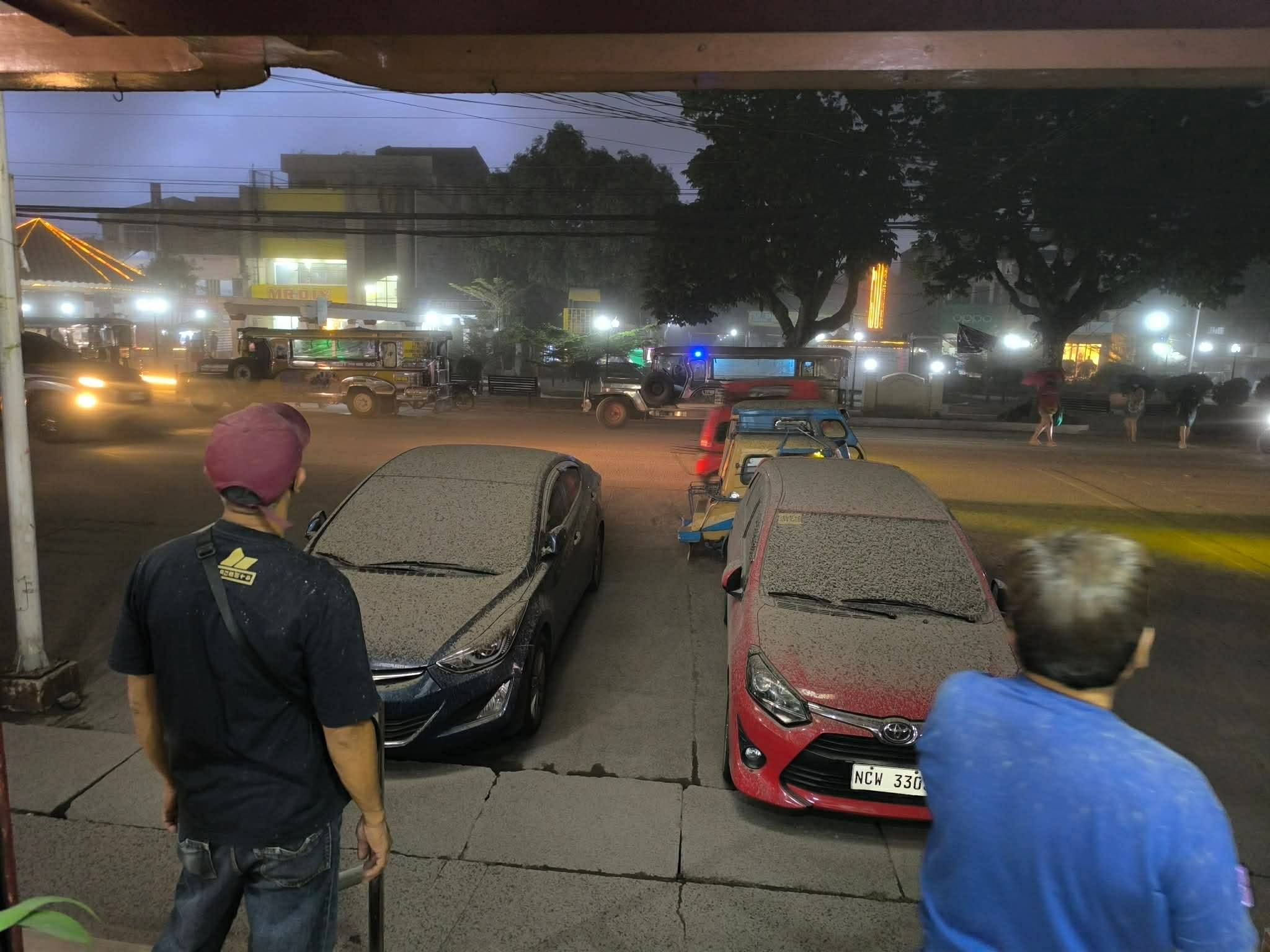
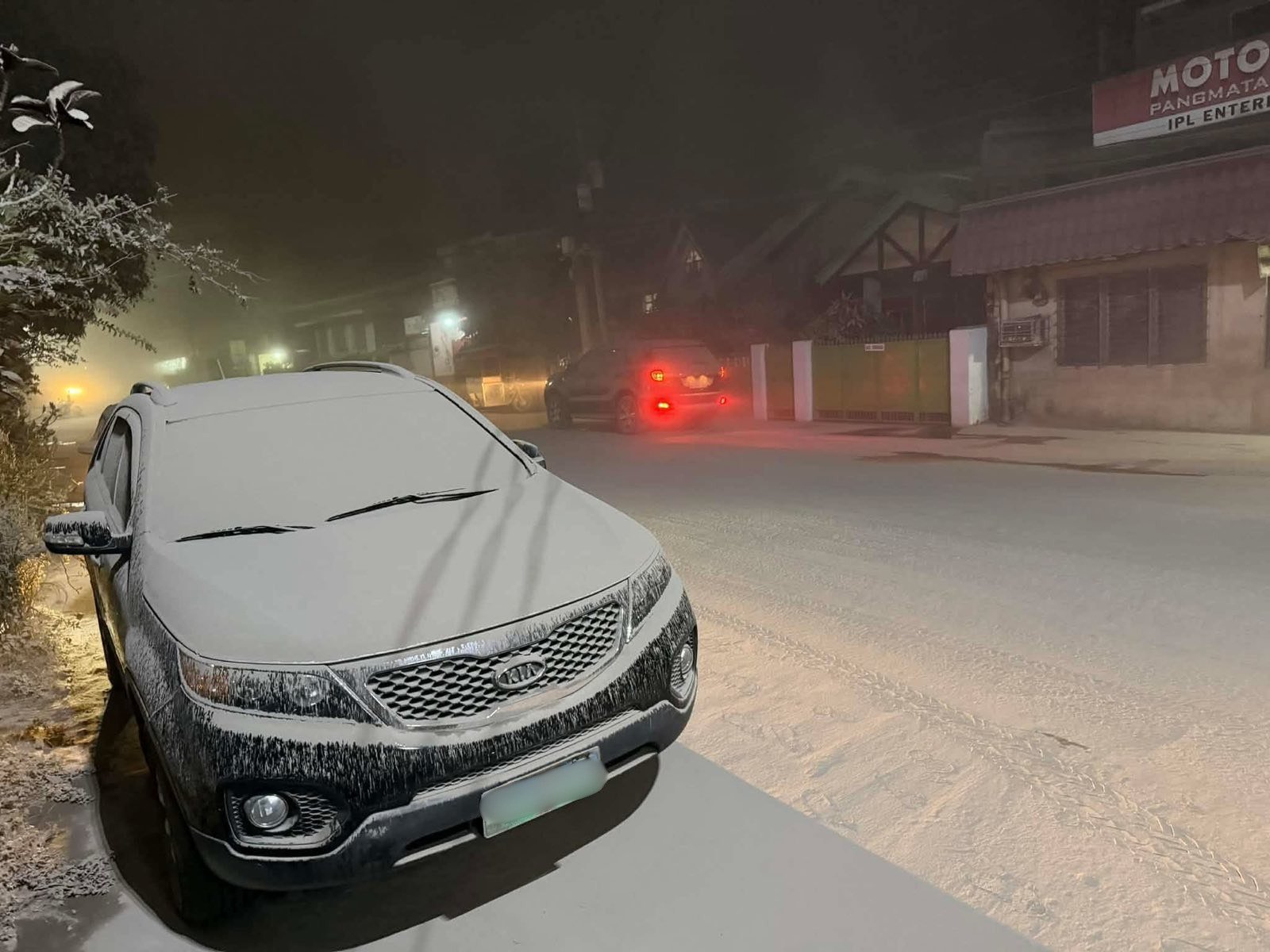
The first documented eruption of Mayon dates to sixteen sixteen. Its most destructive recorded eruption occurred in February of eighteen fourteen, reaching Volcanic Explosivity Index four. Ash accumulated to nine meters (twenty-nine feet) in depth in some areas, the town of Cagsawa was buried, and over one thousand two hundred people lost their lives. The ruins of the Cagsawa church bell tower remain visible today, emerging from the solidified ash field.
A historically significant detail: the eighteen fourteen Mayon eruption preceded Tambora’s catastrophic eruption in Indonesia by one year. Research indicates that the combined atmospheric sulfate loading from both events, along with other major eruptions of the period, contributed to the Year Without a Summer in eighteen sixteen, when temperatures across the Northern Hemisphere dropped enough to cause widespread crop failure across Europe and North America.
In eighteen eighty-one, naturalist Samuel Kneeland personally observed a prolonged effusive event at Mayon, describing lava flowing from the summit in a glowing wave, cooling as it descended, the interior remaining visible through thousands of luminous points in the crevices. His eighteen eighty-one account describes behavior structurally identical to what NASA Landsat 8 imagery captured in February two thousand twenty-six.
Pre-Eruption Signals and Eruption Timeline

Ground deformation data collected through continuous GPS and electronic tilt instrumentation showed anomalous inflation beginning approximately eighteen months before the current eruption started, primarily at the eastern and northeastern flanks. By May two thousand twenty-five, the western and southwestern flanks also began showing inflation, indicating edifice-wide pressurization.
On December thirty-first, two thousand twenty-five, forty-seven rockfalls were recorded in a single day — the highest daily total observed throughout two thousand twenty-five. This triggered an Alert Level two declaration on January first, two thousand twenty-six. On January sixth, a collapse of summit material generated a pyroclastic density current traveling less than two kilometers (one point two miles) down the Bonga drainage. Alert Level three was declared on the same day.
Eruption Data
Between January first and February ninth, two thousand twenty-six, the Mayon Volcano Observatory recorded nine thousand nine hundred and forty-one rockfall events, one thousand six hundred and ninety pyroclastic density currents, and one thousand three hundred and forty-six volcanic earthquakes across forty days — an average of nearly two hundred and forty-nine rockfalls per day. By February fifteenth, the total estimated volcanic output reached twenty-three point six four million cubic meters, combining eleven point eight two million cubic meters of lava with an approximately equal volume of volcanic debris.
The sulfur dioxide record provides the most direct window into the state of the shallow magmatic system. On February fourth, two thousand twenty-six, SO₂ emissions reached six thousand five hundred and sixty-nine tonnes per day. That was exceeded on March sixth, when PHIVOLCS recorded seven thousand six hundred and thirty-three metric tonnes in a single day — the highest value at this volcano in fifteen years. Sulfur dioxide originates from magma degassing at depth. Each peak represents a pulse of fresh, hot magma entering the shallow system.
As of April twenty-ninth, two thousand twenty-six, lava flows measured three point eight kilometers (two point four miles) in the Basud drainage, three point two kilometers (two miles) in the Bonga drainage, and one point six kilometers (one mile) in the Mi-isi drainage. The Mi-isi flow advanced three hundred meters (nine hundred and eighty-four feet) on April twenty-fourth and twenty-fifth. Daily SO₂ emissions averaged two thousand and eighty-seven tonnes on April twenty-ninth.
Upcoming Risk: Monsoon Season and Lahars
The Philippine monsoon season begins in May and June. Four months of active lava effusion have deposited substantial volumes of unconsolidated volcanic material on steep slopes. Heavy rainfall mobilizes this material into lahars — fast-moving volcanic mudflows capable of traveling far beyond the original lava flow extent and reaching populated areas with minimal warning time. PHIVOLCS has specifically flagged the Mi-isi, Bonga, and Basud drainage channels as priority lahar risk corridors.
Global Significance
Mayon’s current eruption does not create causal links to volcanic activity at other locations along the Pacific Ring of Fire. The March two thousand twenty-six sulfur dioxide plumes were detected by NASA satellites drifting southwest over the Pacific for several hundred kilometers. At regional scales, SO₂ conversion to sulfate aerosols affects atmospheric chemistry and air quality. If Mayon were to escalate to a large-scale explosive phase — not currently indicated but consistent with its historical behavior — stratospheric aerosol injection with potential regional cooling effects would fall within the range of documented consequences from this volcano’s past. That scenario remains speculative at Alert Level Three.
Follow Geology Info for ongoing updates on Mayon and other active volcanic systems worldwide.