Anak Krakatau 2026: The Volcano Rebuilding the Flank That Collapsed Without Warning in 2018

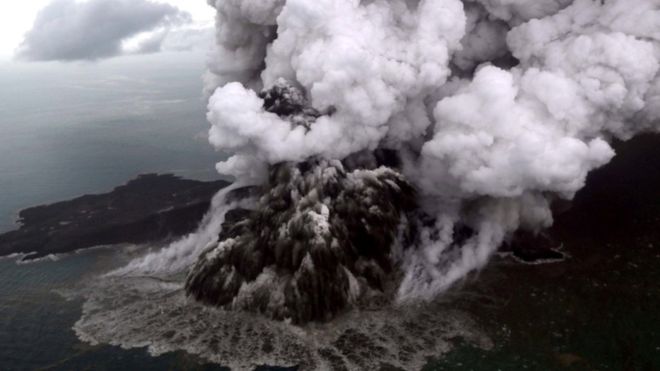
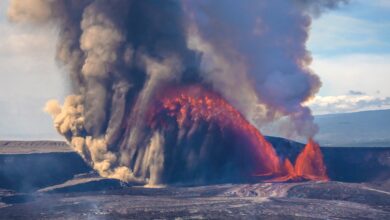
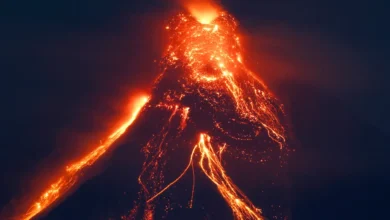
Satellite images from the Smithsonian Institution’s Global Volcanism Program, acquired in late April and early May two thousand and twenty-six, confirmed something that most media outlets did not cover: Anak Krakatau is pushing incandescent lava flows into the Sunda Strait. The flows are slow and effusive, not explosive. By standard news metrics, they are not a story. For anyone who understands this volcano’s specific history and the mechanism by which it generates its most dangerous events, they are precisely the story.
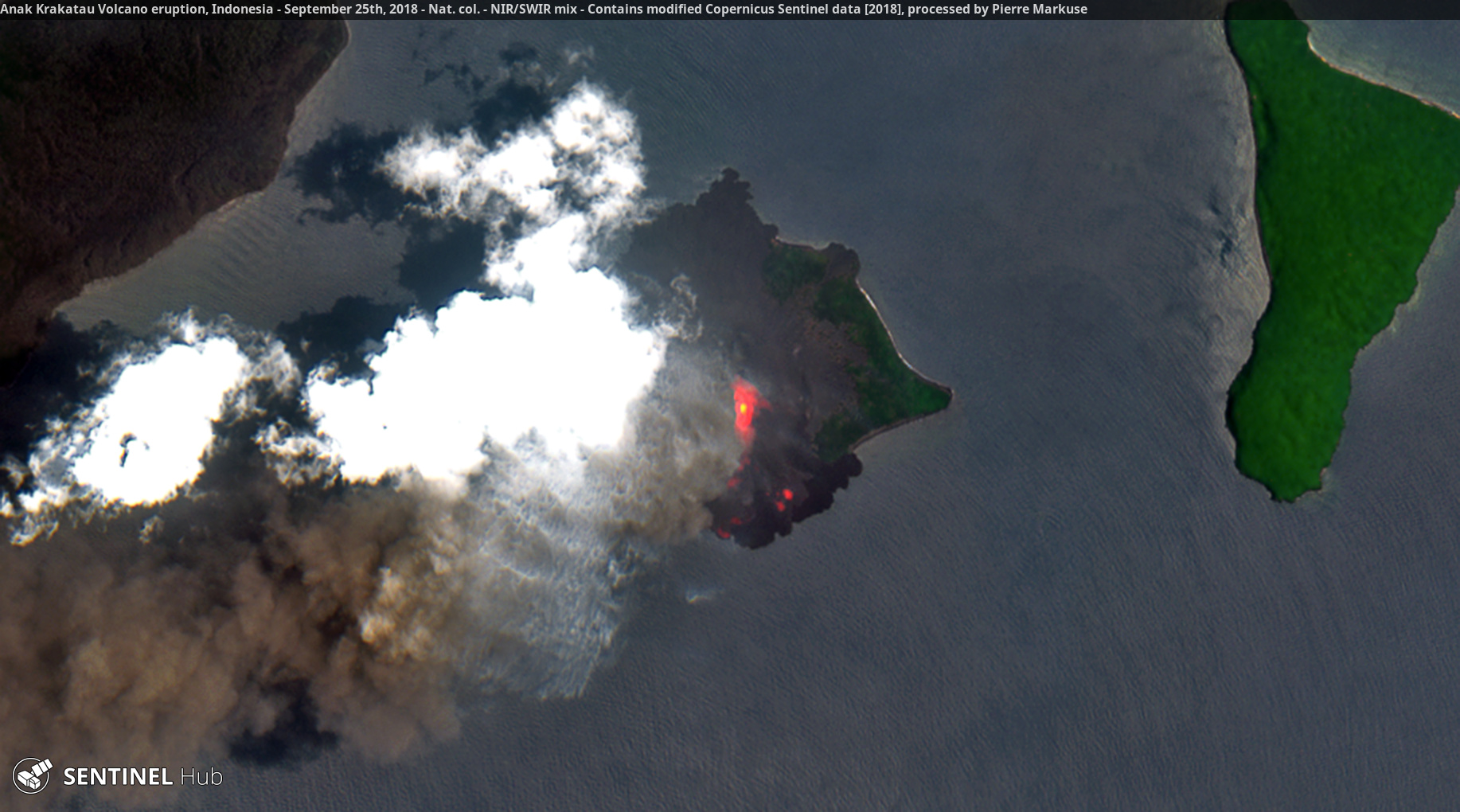
The lava is advancing along the western flank of the cone — the same flank that collapsed silently on December twenty-second, two thousand and eighteen.
What Happened in 2018 and Why It Changes the Frame
On the evening of December twenty-second, two thousand and eighteen, families on the shores of the Sunda Strait were attending a beach concert when the water moved. There was no audible explosion. No seismic alert. No time to reach higher ground. A section of Anak Krakatau’s western flank slid into the strait in seconds — a sector collapse — and the displaced rock volume generated waves up to five meters that struck three hundred kilometers of coastline across Java and Sumatra.
Four hundred and thirty-seven people lost their lives. Forty thousand were displaced. The event became the second deadliest volcanic event of the twenty-first century at that point.
The detail that almost never appears in coverage of the event: researchers had published models predicting exactly that collapse mechanism six years before it occurred. The two thousand and twelve study identified the western flank as geometrically unstable, with asymmetric mass accumulation progressively increasing the probability of a lateral failure. The tsunami generation mechanism — collapse-driven, not eruption-driven — was documented in the peer-reviewed literature. The regional early-warning infrastructure was not calibrated for that event type.
Three Chapters of the Same Volcano
1883: The Original Collapse
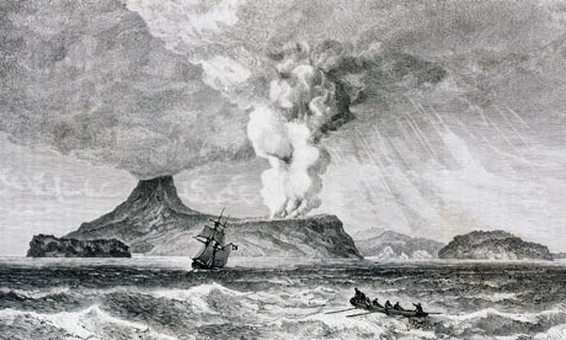
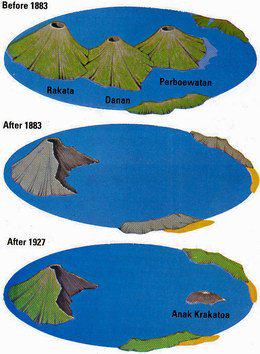
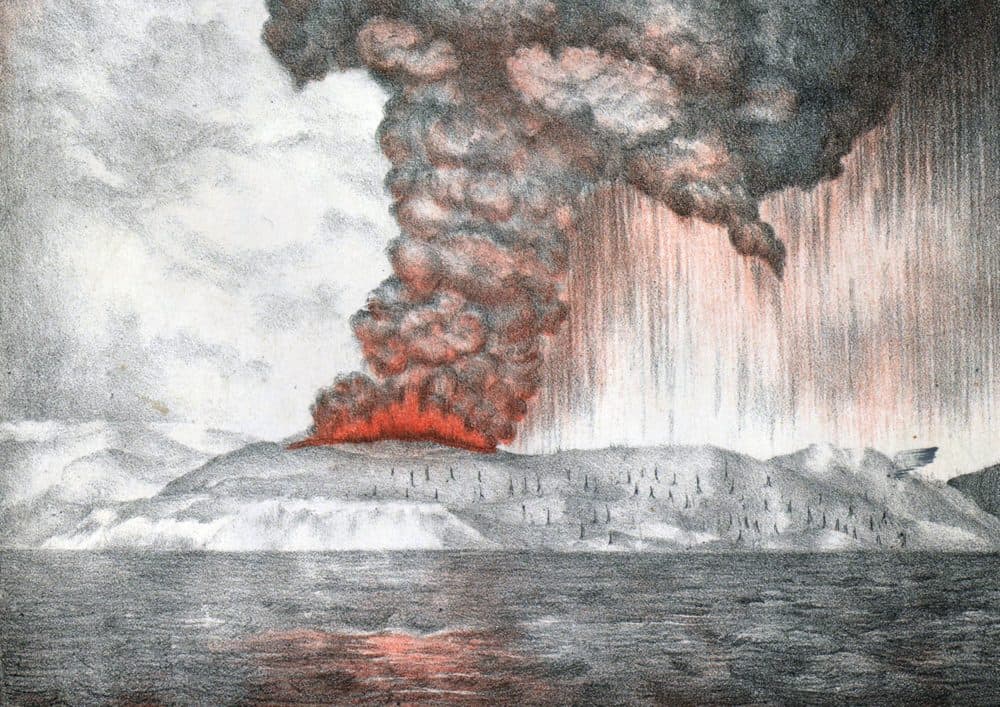
The Krakatoa of the nineteenth century was a group of three volcanic cones on a single island in the Sunda Strait. Its eighteen eighty-three eruption — August twenty-seventh — produced the loudest recorded sound in human history, heard four thousand eight hundred kilometers away. The eruption destroyed two-thirds of the original island. Its tsunamis claimed more than thirty-six thousand lives along the coasts of Java and Sumatra. The stratospheric injection of sulfur dioxide and ash produced a measurable global temperature decrease the following year and vivid red sunsets across Europe for months.
1927–2018: The Building of the Son
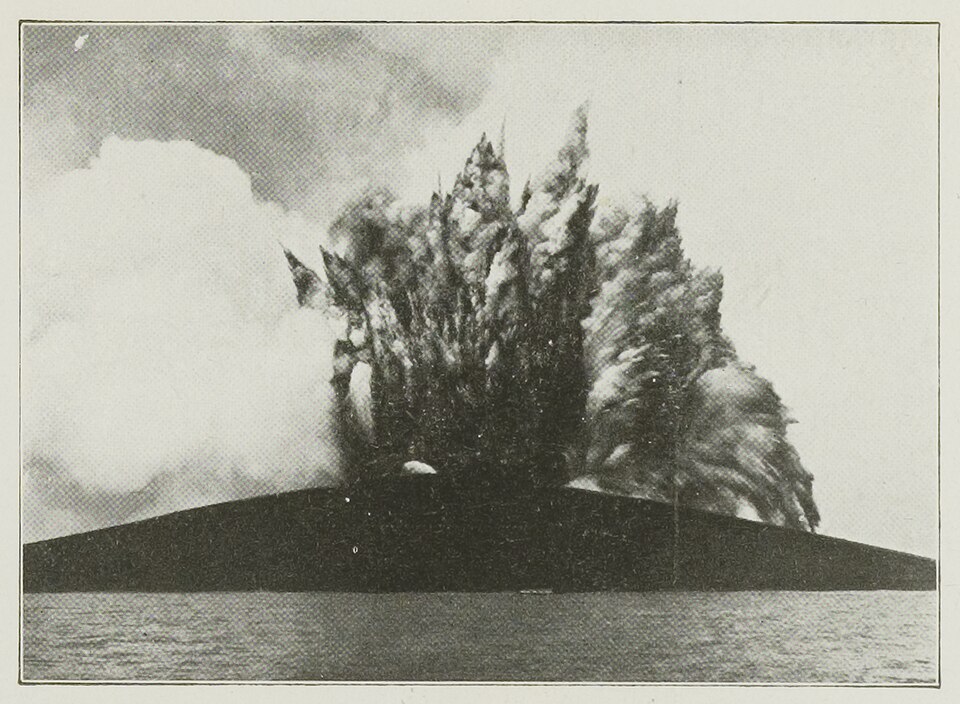
Submarine eruptions began inside the eighteen eighty-three caldera in late nineteen twenty-seven. On December twenty-ninth, nineteen twenty-seven, the island of Anak Krakatau — the Child of Krakatoa — emerged permanently from the caldera. For nine decades, the cone grew at an average of seven to nine meters per year, reaching three hundred and thirty-eight meters before the December two thousand and eighteen collapse. It lost more than half its height in minutes.
2018–Present: The Rebuilding
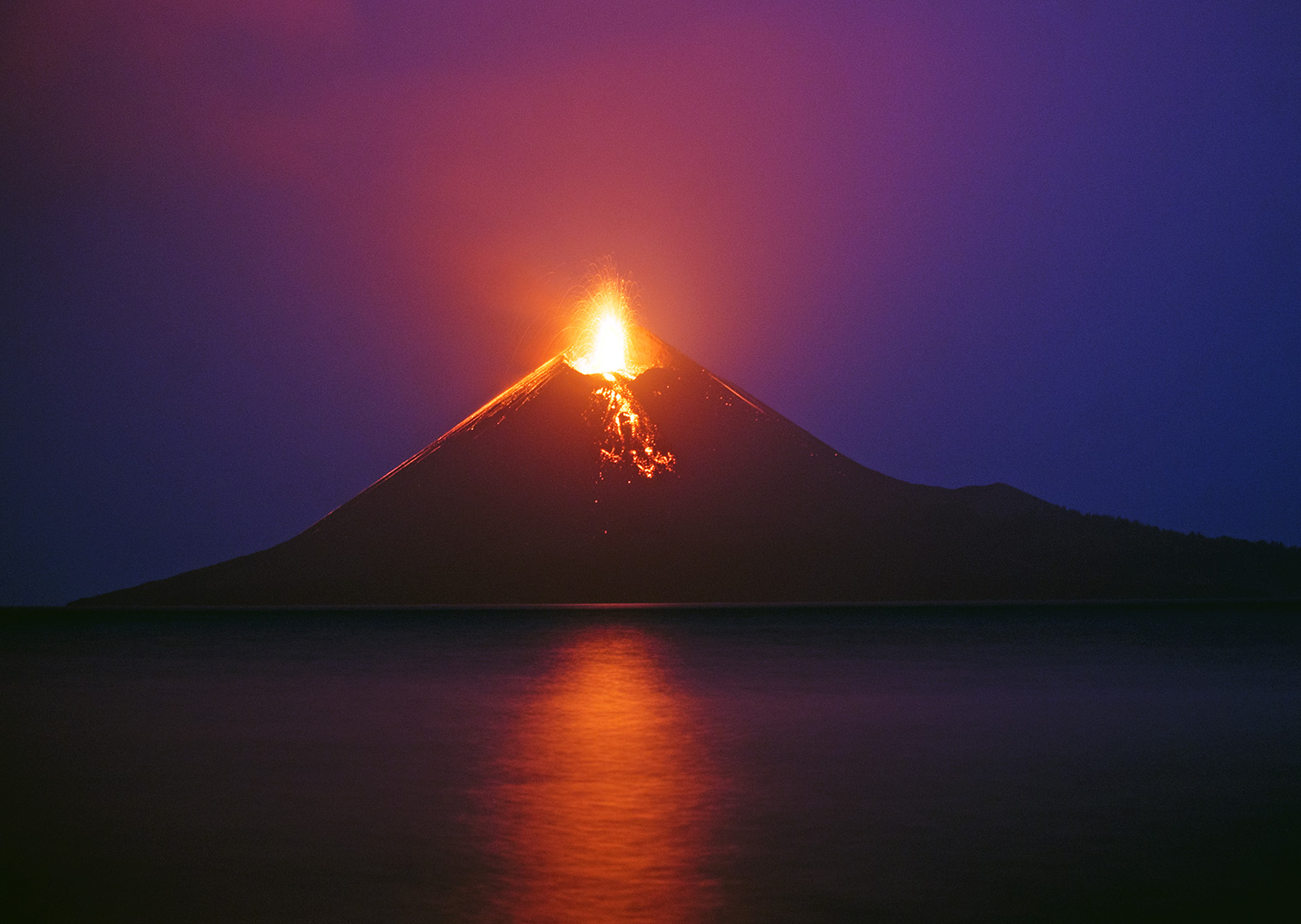
The cone has been growing since the collapse and currently stands at one hundred and eighty-nine meters. It is being actively fed by fresh magma, as the two thousand and twenty-six monitoring data confirms. The western flank, rebuilt by effusive lava flows entering the sea, is the least structurally stable section of the cone.
The Two Thousand and Twenty-Six Monitoring Data
Indonesia’s Center for Volcanology and Geological Hazard Mitigation, the PVMBG, maintains continuous monitoring of the volcano. The current alert level is two on a four-level scale — appropriate for the observed activity level. Two data points from recent weeks are worth examining carefully.
Sulfur Dioxide Spike in April
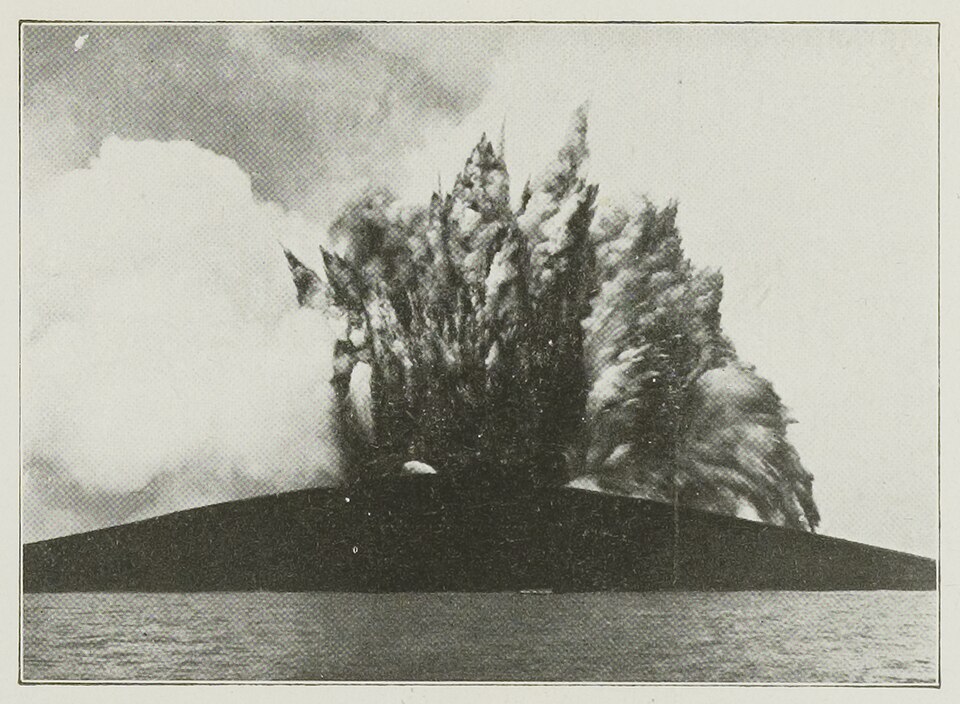
Between April seventeenth and nineteenth, two thousand and twenty-six, sulfur dioxide emissions jumped from a baseline of twenty-eight to sixty-eight tonnes per day to one hundred and eighty-one tonnes per day in under forty-eight hours. Sulfur dioxide is a direct proxy for fresh magma arriving at shallow crustal levels — it exsolves from the melt as confining pressure decreases near the surface. The spike indicates a new pulse of hot, volatile-rich material injected into the system. Strombolian activity was observed on the same dates, and ash plumes reached one kilometer above the vent.
Lava Reaching the Ocean
Between April twenty-seventh and May second, Global Volcanism Program satellite imagery confirmed lava flows from the crater advancing into the sea. The process is effusive, not explosive. But it is precisely the process that adds mass to the western flank — the flank whose geometry failed in two thousand and eighteen.
Global Consequences: What the Science Supports
The Sunda Strait handles approximately one hundred thousand vessel transits per year, carrying cargo between the Indian Ocean and the South China Sea. It functions as a critical alternative to the Strait of Malacca, the most congested shipping lane in the world. Jakarta, Indonesia’s capital, sits approximately one hundred and fifty kilometers from the volcano. The coastal zones surrounding the strait are home to tens of millions of people.
Post-event simulations from the two thousand and eighteen collapse show that a larger-magnitude event could generate waves reaching densely populated coastlines in under twenty minutes — insufficient time for organized evacuation of port cities that were not built with volcanic tsunami risk planning as a design constraint.
The science does not support claims of imminent collapse. Alert Level two is an accurate assessment. The cone’s growth is slow and the institutions monitoring it — PVMBG and the Global Volcanism Program — have not published any elevated near-term risk assessment. The lava entering the sea is building the cone, not destabilizing it acutely.
What the science has supported, consistently since two thousand and twelve, is that the mechanism exists, it has already triggered, and the early-warning gap for flank-collapse tsunamis has not been fully closed. Detection and warning time is still measured in minutes. That gap is the conversation that needs to happen — in volcanology, in disaster preparedness policy, and in the regional infrastructure planning for the communities that live on those shores.
Conclusion
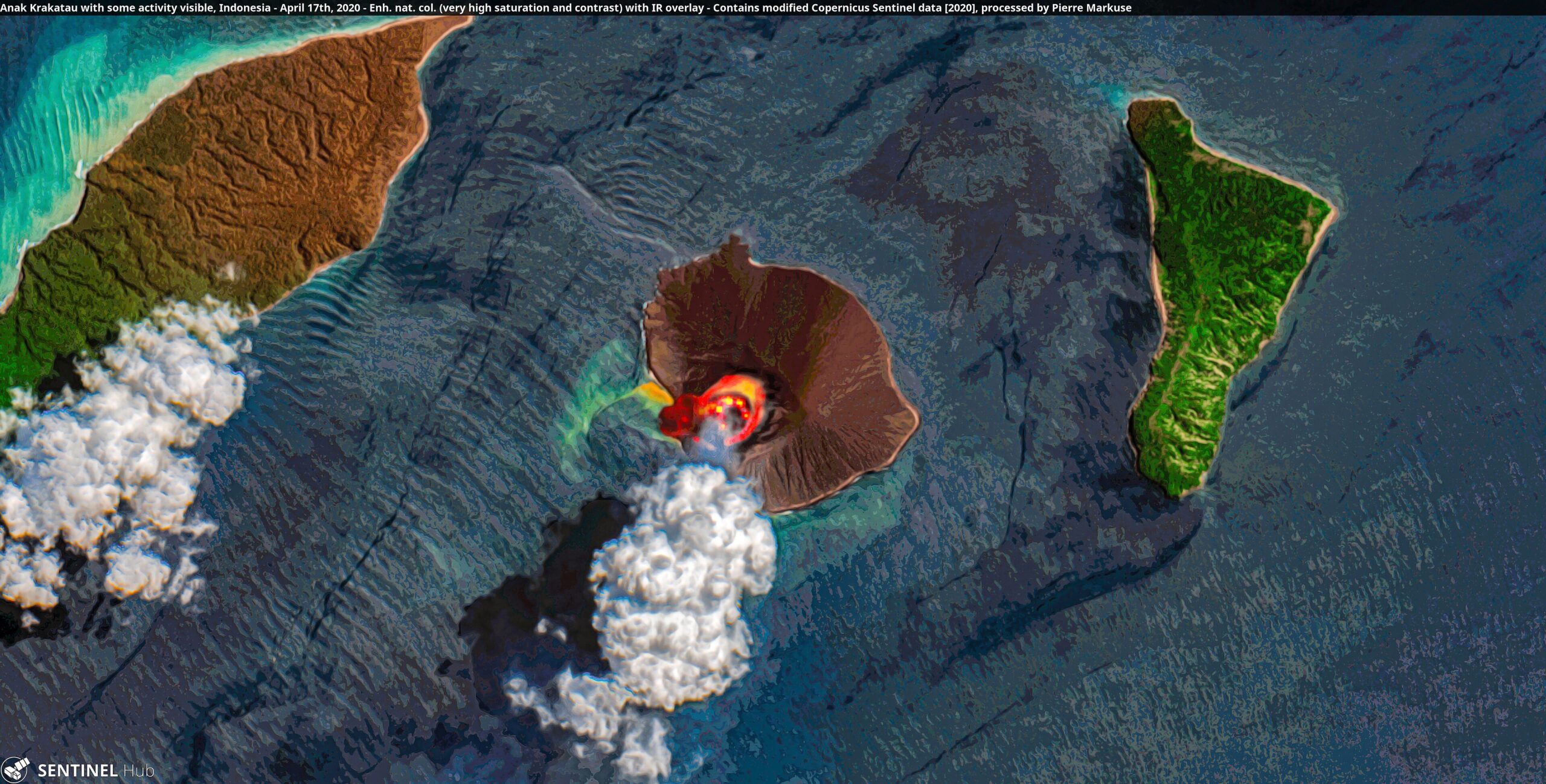
The Anak Krakatau today is not the Krakatoa of eighteen eighty-three. It is a volcano we have been watching being built, layer by layer, for nearly a century — a volcano whose collapse mechanism was identified in published research before it triggered, and which is currently, quietly, rebuilding the same flank in real time.
The satellite data from May two thousand and twenty-six is not alarming. It is informative. And it is the kind of information that deserves the attention of anyone who lives near a volcanic coast, follows geological hazards, or simply wants to understand how the most dangerous events from this volcano actually work.
Watch the full video on Geology Info for detailed analysis with primary data from PVMBG and the Smithsonian Institution’s Global Volcanism Program.