Italy’s Most Dangerous Hillside Just Woke Up Again — And It Cut the Country in Two

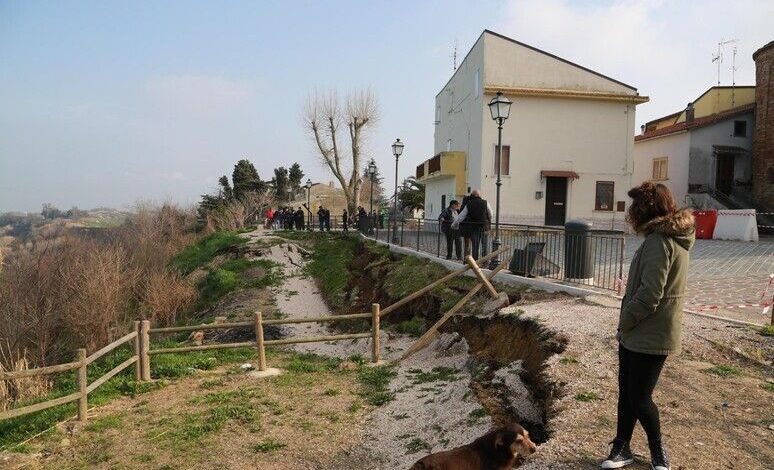
Geologists had been watching this slope for over a century. The monitoring sensors were in place. The evacuation plans existed. And on April 7th, 2026, none of that was enough to stop what happened next.
A large landslide reactivated in Petacciato, in the Campobasso Province of southern Italy, after more than 200 millimetres (7.9 inches) of rainfall fell within just a few days. What followed in the next few hours redrew the geography of everyday life for millions of Italians. The landslide front extends approximately 4 kilometres and directly affects one of the most important corridors connecting the north and south of the country. The WatchersGreentechnologyinvestments
This was not a surprise. It was a consequence.
A slope that has been moving since 1906
The slope near Petacciato has long been considered unstable — at least 15 landslides were recorded there between 1906 and 2015. The first confirmed movements date back to 1916, and were repeated at least 12 more times in the following century. blue NewsThe Vermilion
To understand why this hillside keeps moving, you have to look at what it is made of. The entire slope is composed of what geologists call Plio-Pleistocene grey-blue clays — materials formed by sedimentation on the bottom of ancient marine basins, with extremely unfavorable mechanical characteristics. Clays absorb water, increase in volume and lose cohesion. In technical terms, the shear resistance of the soil collapses, creating slip planes along which the entire slope, weighted and lubricated, begins to move. The Vermilion
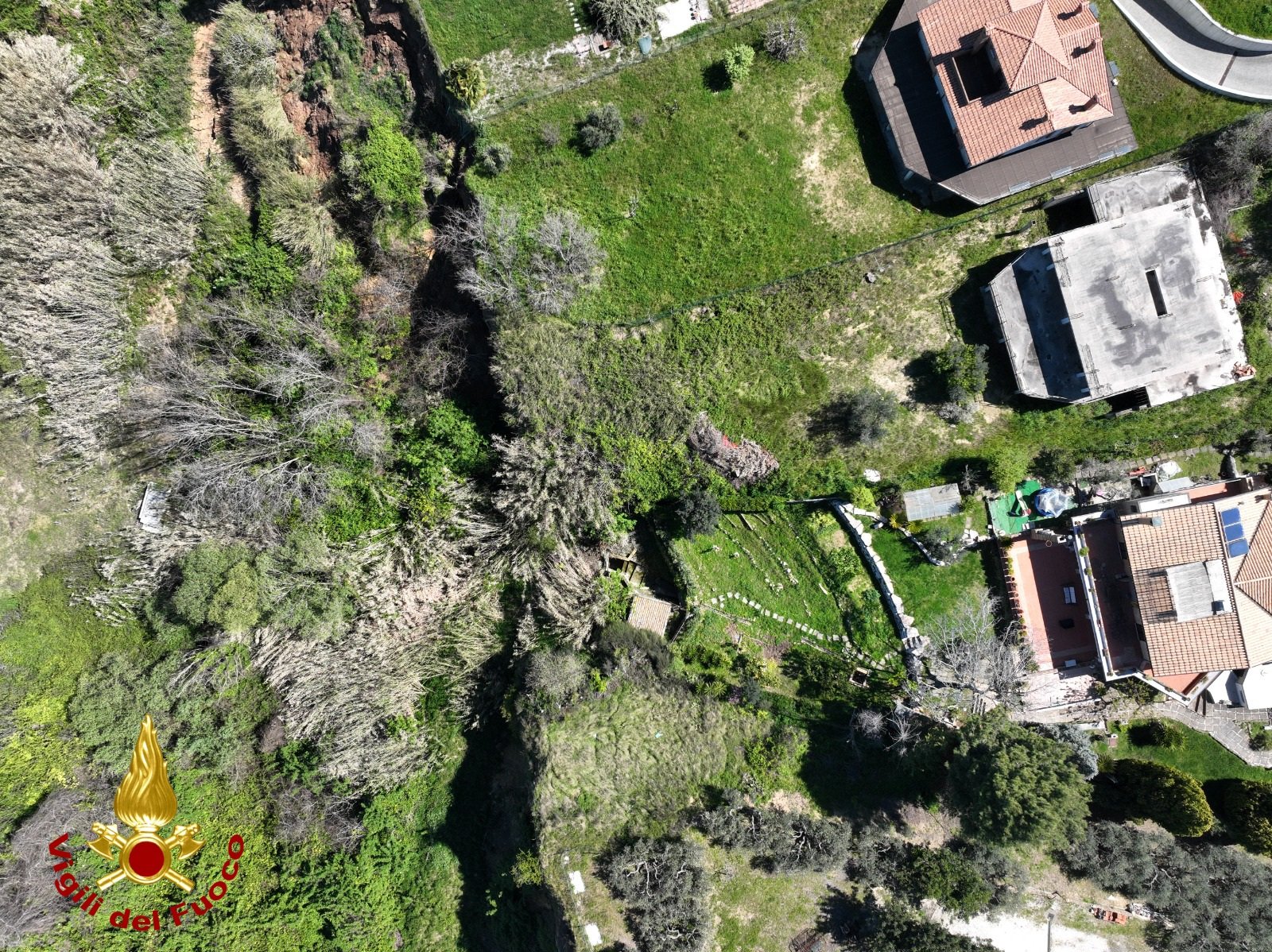
The Petacciato landslide is not a simple superficial slide: it extends from the town centre, located at around 225 metres above sea level, until it reaches below the level of the Adriatic Sea. It is not one single body of earth. It is a complex, interconnected system of landslide masses, all waiting for the same trigger: rain. The Vermilion
What happened on April 7th
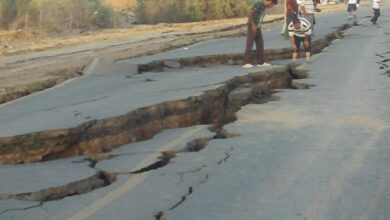
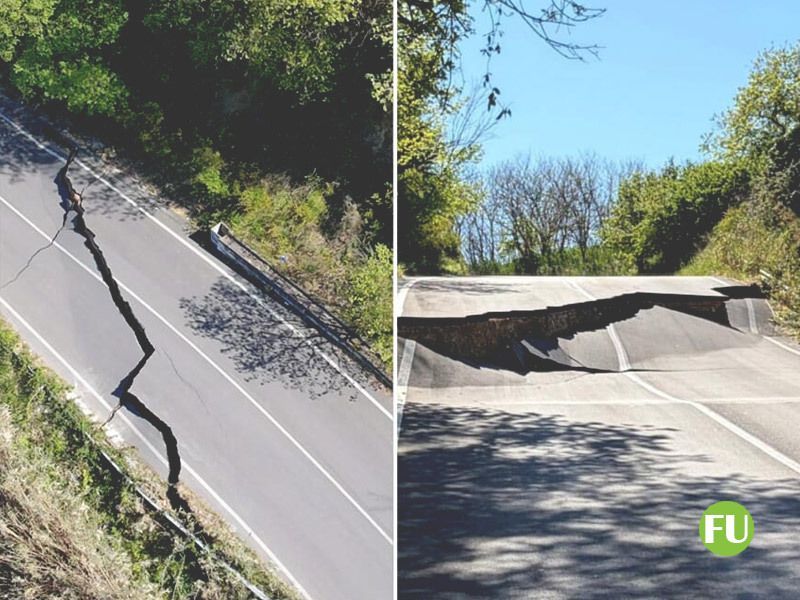
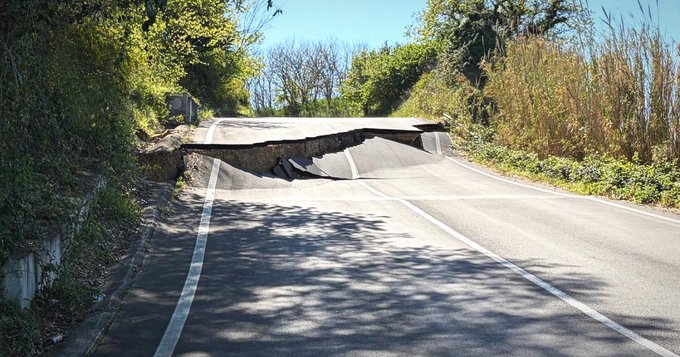
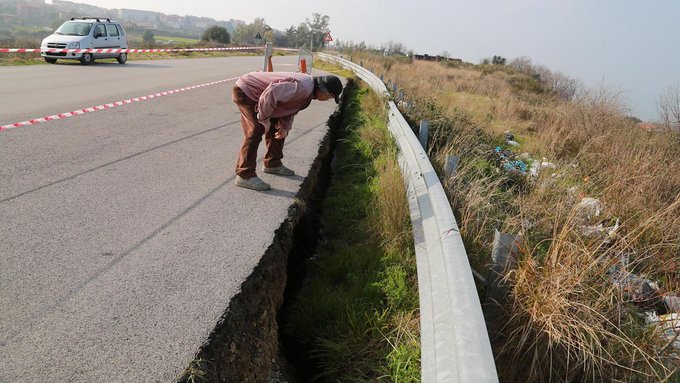
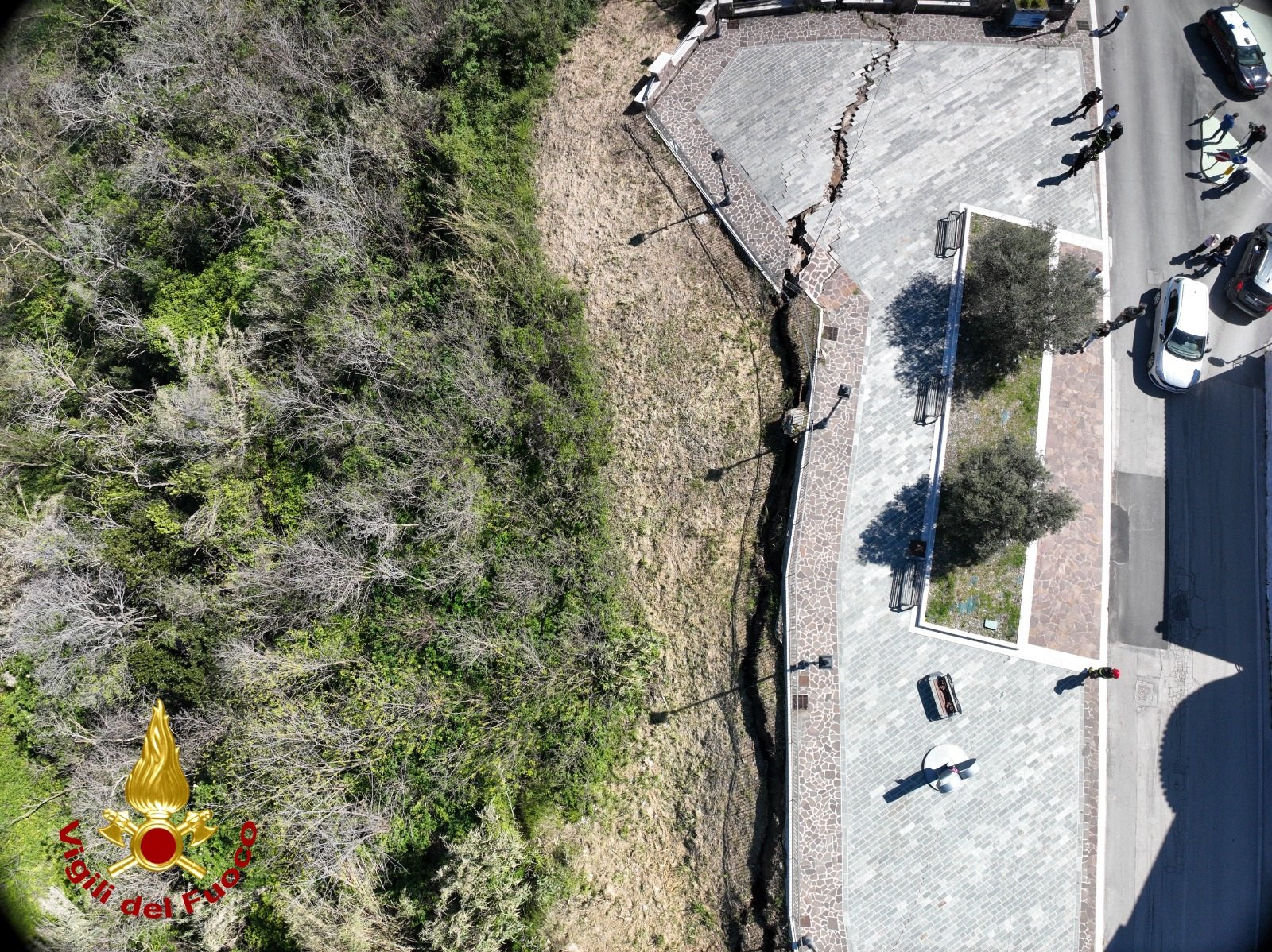
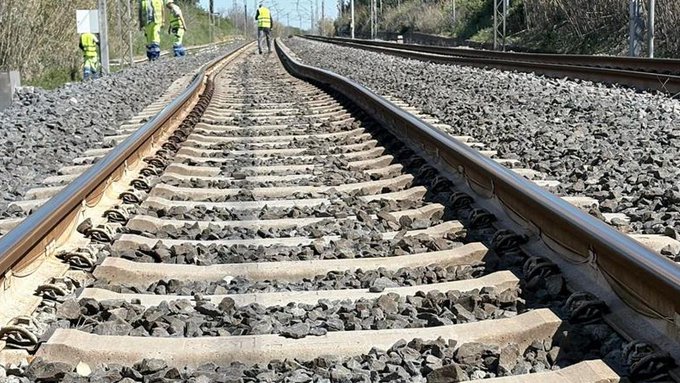
Sensors installed in the area detected ground shifts and roadway deformations. The asphalt showed obvious cracks, while structural deformations were recorded along the railway tracks, making the movement of trains impossible.
Greentechnologyinvestments
The closure of the A14 motorway — in the section between Vasto South and Termoli in both directions — was triggered by the activation of the monitoring system installed at the Petacciato landslide front. The Bari-Pescara railway line was interrupted between Termoli and Montenero di Bisaccia. Il Sole 24 ORE
Traffic was blocked in both directions, with queues up to several kilometres long. Dozens of passengers were left waiting at Termoli station. The disruption forced thousands of motorists onto lengthy country-road detours, adding several hours to journeys, while coastal rail services were suspended and partially rerouted via Rome. Il Sole 24 OREU.S. News & World Report
The closure of schools of all levels was ordered throughout the province of Campobasso, together with the suspension of university activities. Greentechnologyinvestments
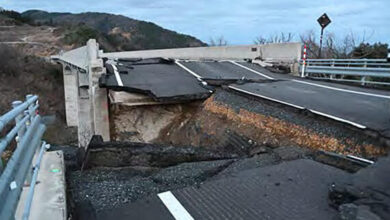
The collapse of a bridge over the Trigno River due to the previous week’s bad weather combined with the Petacciato reactivation practically blocked circulation on State Highway 16, the A14 motorway, and the railway line simultaneously. The president of the Molise region, Francesco Roberti, put it plainly after visiting the site: the situation “effectively divides the country in two.” Il Sole 24 ORE
What the geology is telling us
According to technicians from the Molise region, at the root of the phenomenon is a deep, water-saturated fault running through the area’s subsoil: a clayey mass sliding over less stable layers, fed by underground water flows. Il Sole 24 ORE
Domenico Angelone, president of the Order of Geologists of Molise, explained the mechanism directly: “The Petacciato area has a natural predisposition to landslide, but it is the presence of water underground that favors and triggers the slide. When there is intense rainfall for a prolonged period, the ground becomes overloaded and the landslide can be reactivated. These are phenomena that have always occurred, but which are becoming more common with climate change.” The Vermilion
Petacciato is not an isolated case, but the most striking example of a fragility that runs the length of the entire Adriatic coast, from Ancona to Termoli. The morphology of the Molise and Abruzzo coastline is marked by similar, if less dramatic, phenomena. The Vermilion
The government response — and what it says about the bigger problem
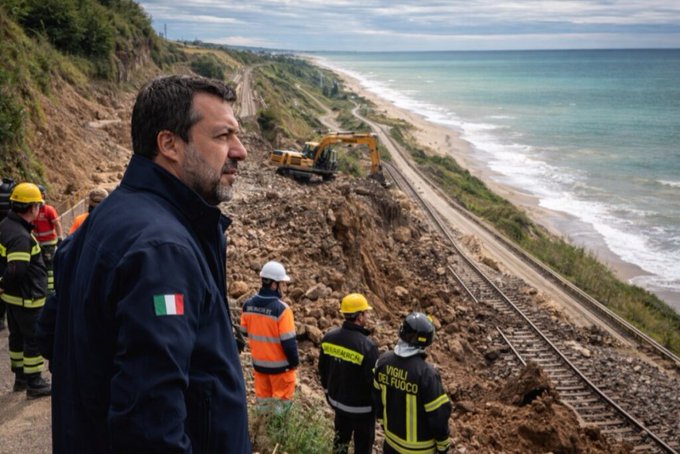
Italy’s government declared a state of emergency on April 9th and pledged an initial 10 million euros toward transport restoration efforts. Infrastructure Minister Matteo Salvini visited the area and confirmed the emergency declaration. U.S.
News & World Report
Rail operator Ferrovie dello Stato diverted passenger trains away from the affected section of the Adriatic line. Additional logistical adjustments were requested to ensure the continued supply of radiopharmaceuticals used in hospital nuclear medicine services. The Watchers
But the deeper question is not how fast Italy can repair the road. It is why this infrastructure was built — and kept — on a slope with 110 years of documented movement in the first place.
The Petacciato landslide is not a geological mystery. It underlines the urgency of mitigation interventions that have been postponed for too long. The monitoring system worked exactly as designed. The sensors triggered the alarm. The roads were closed in time. No lives were lost. The Vermilion
But the hillside is still moving. And the next rainfall event is already forming somewhere over the Mediterranean.